Cuba, la ciudad nuclear
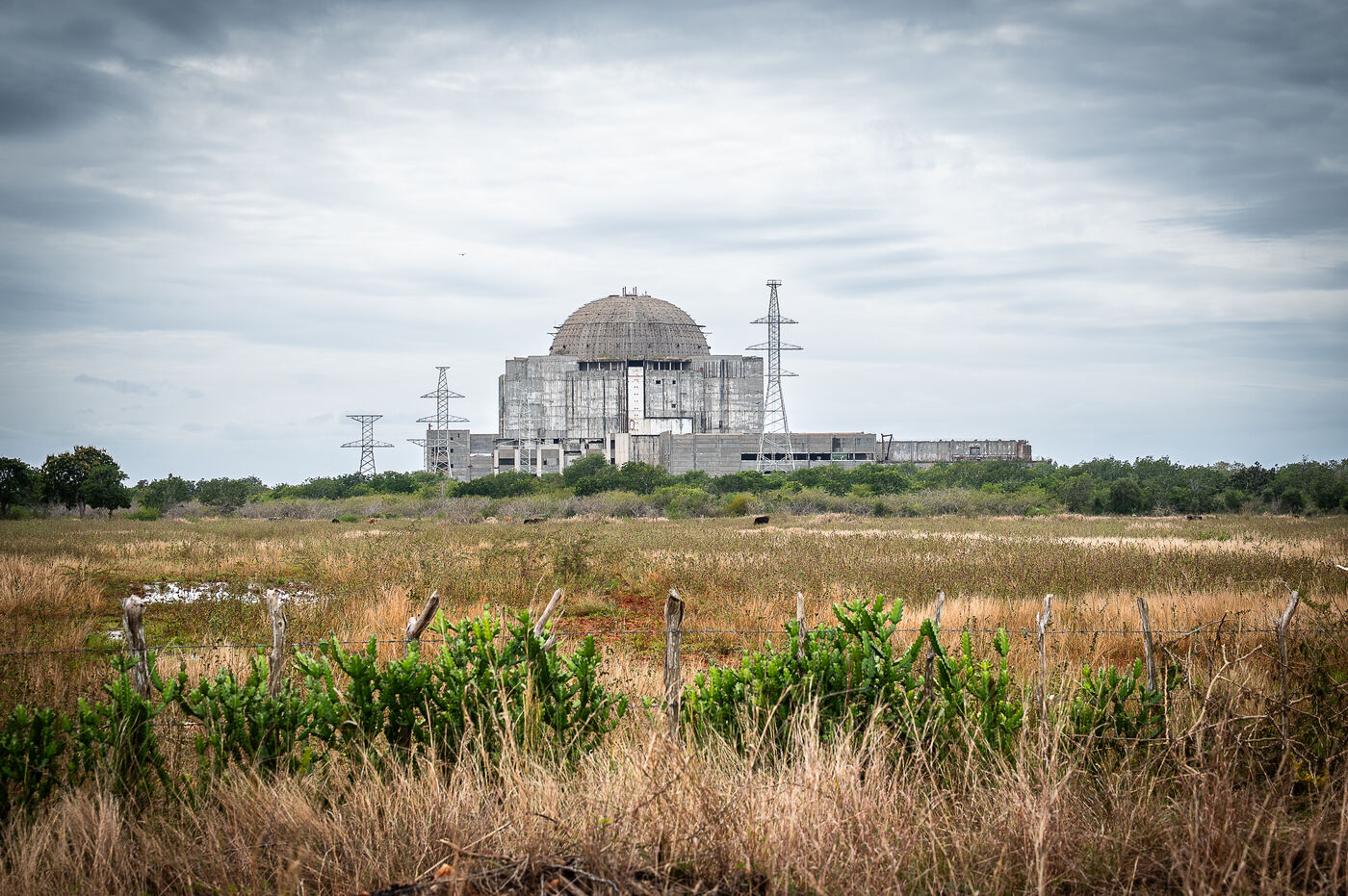
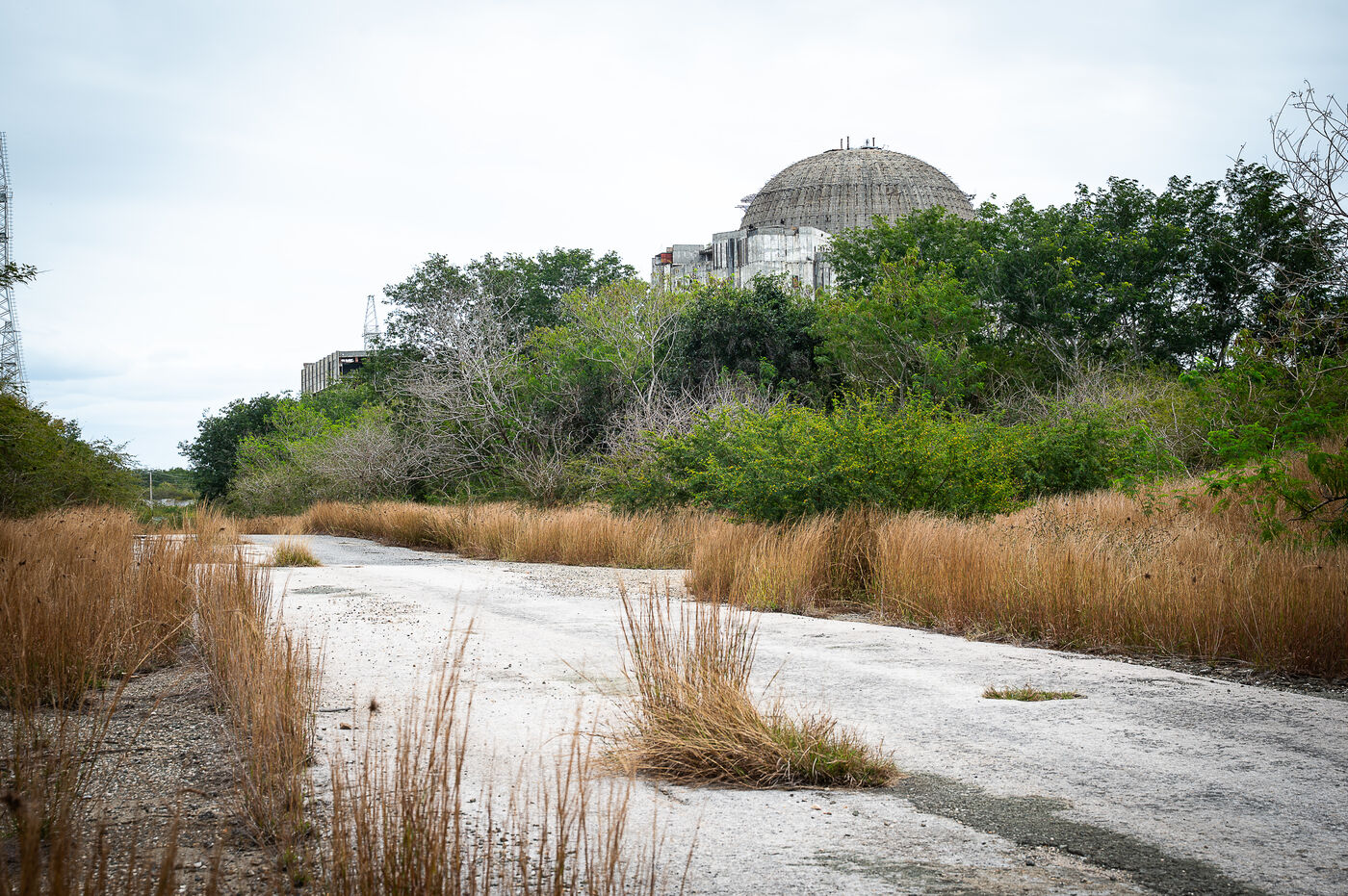
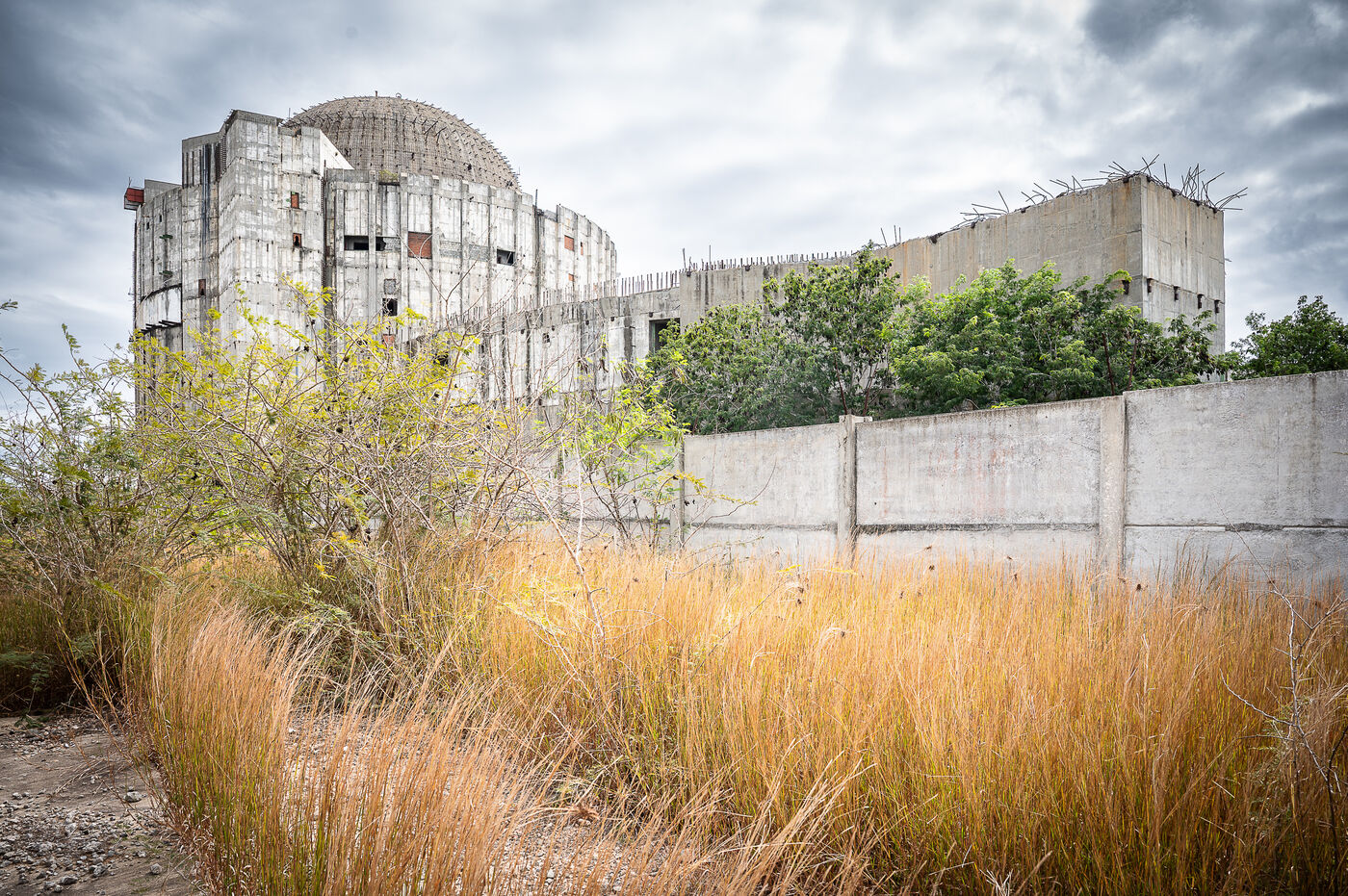
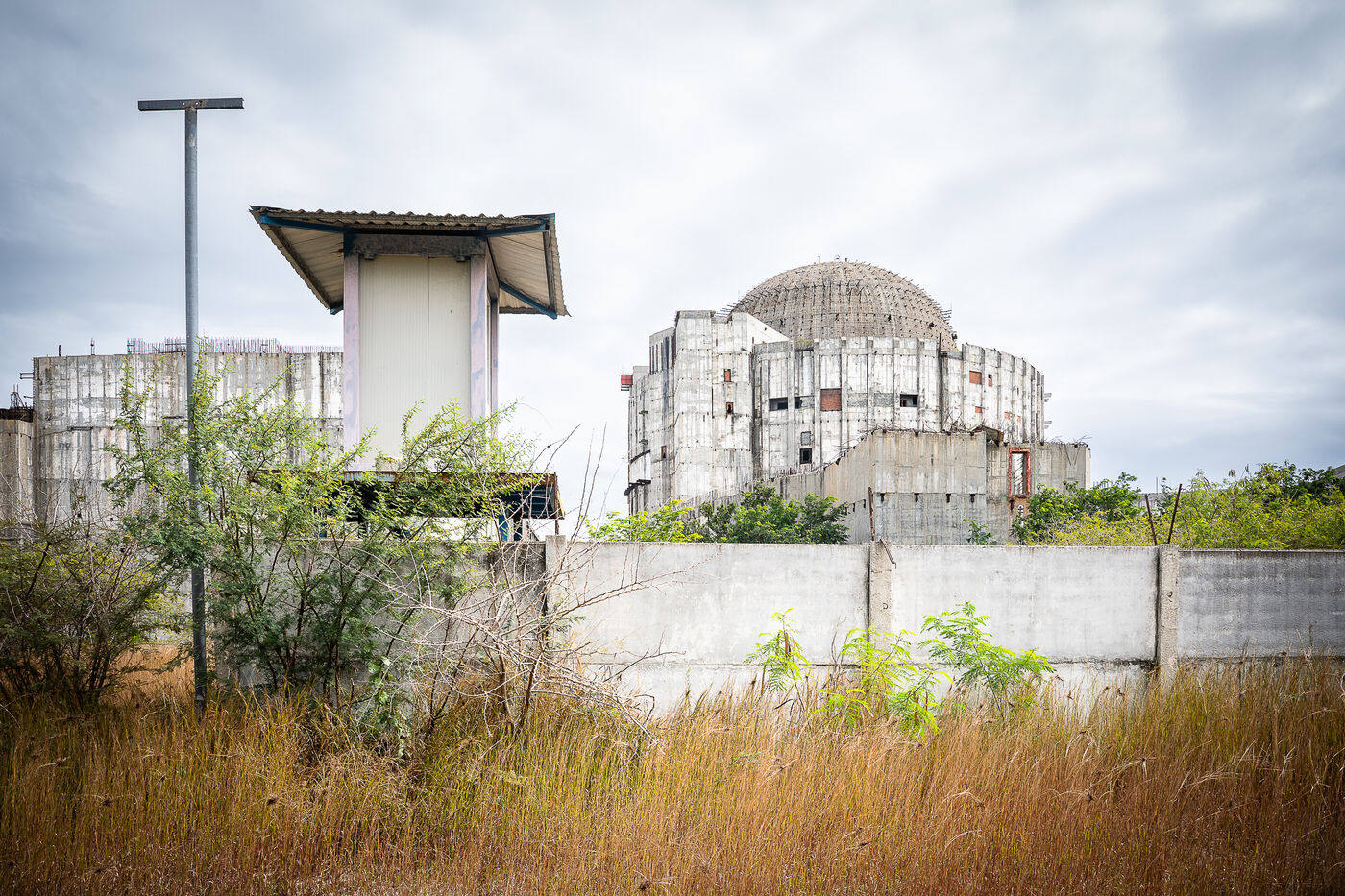
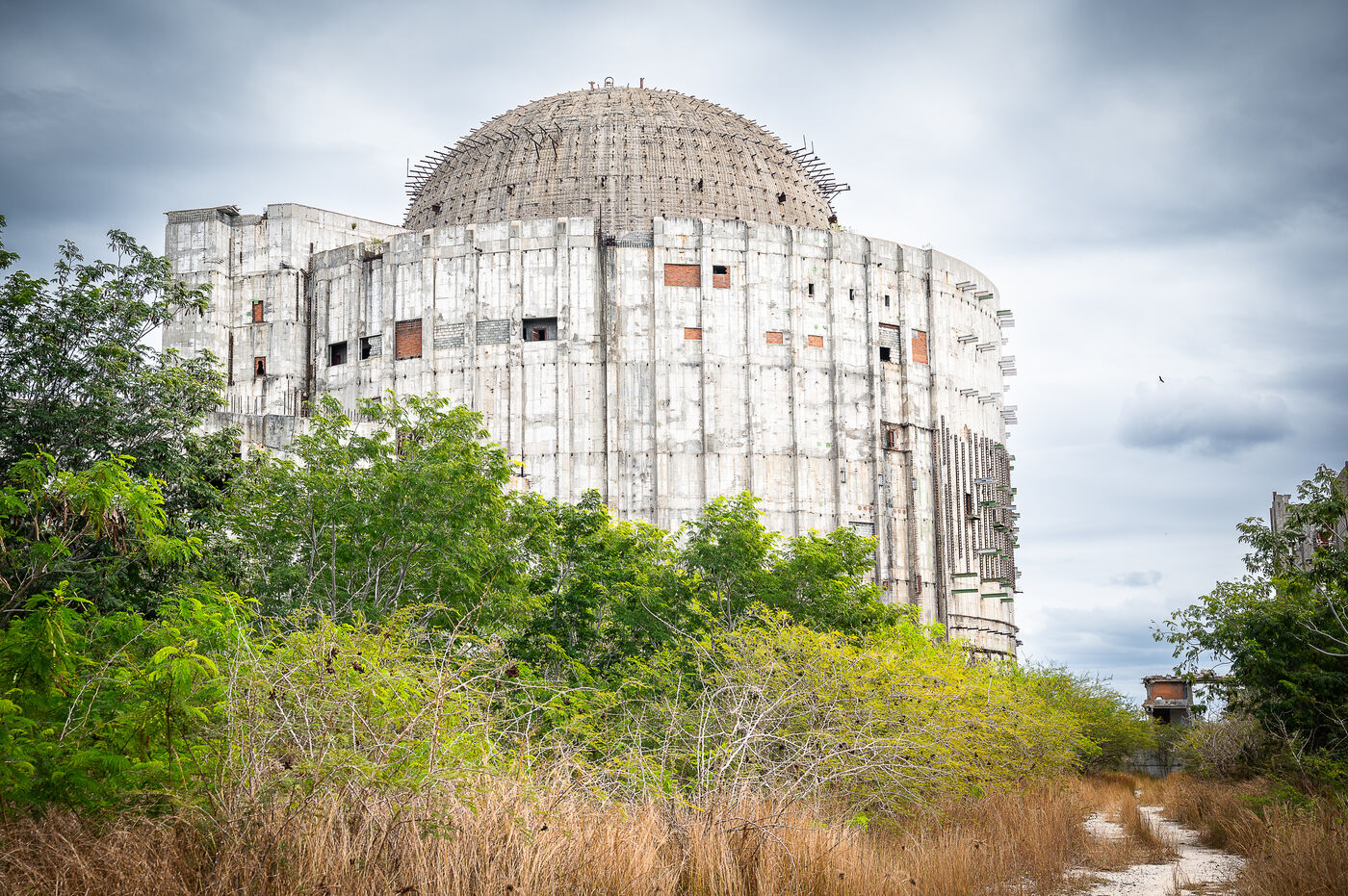
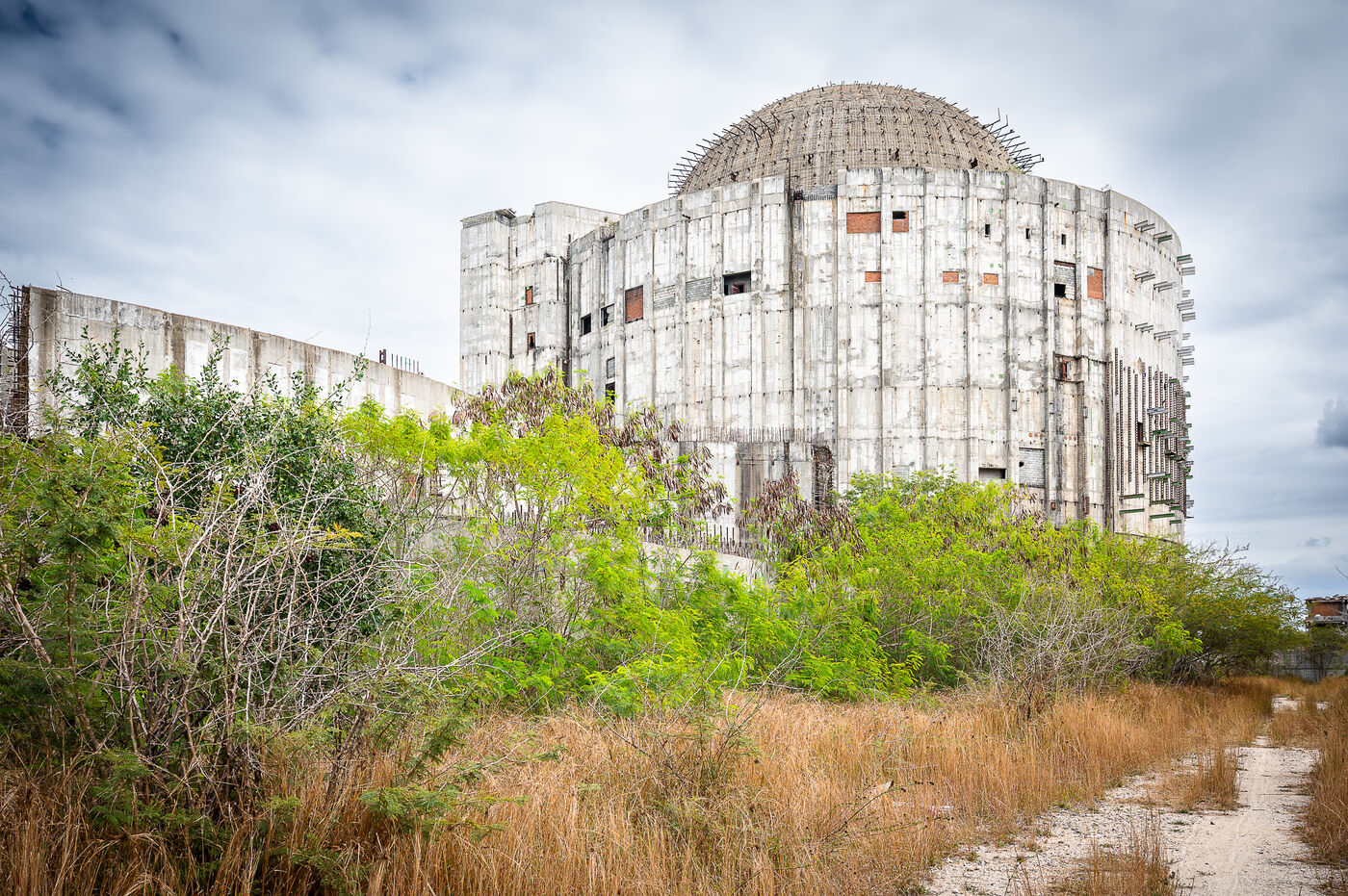
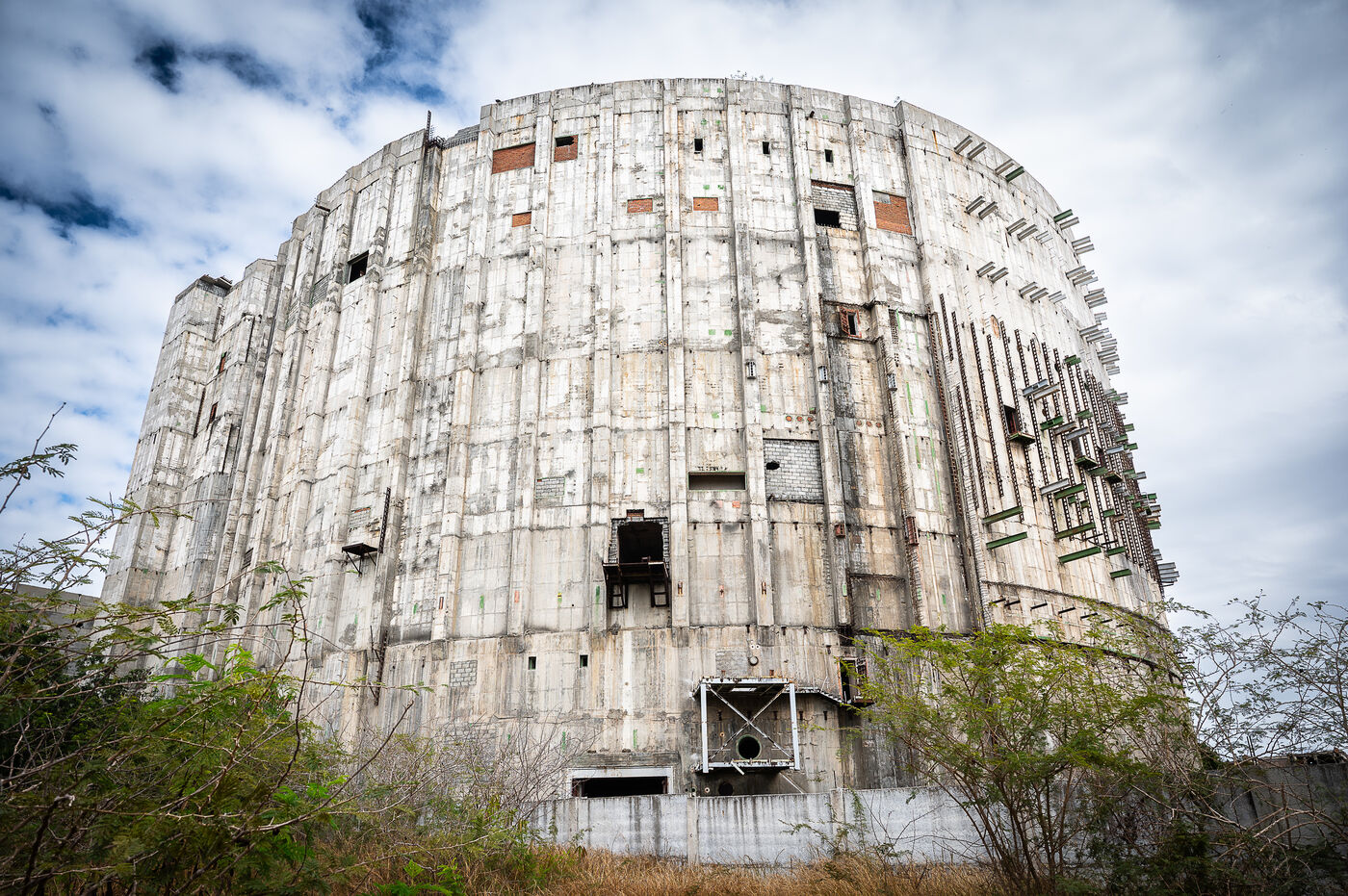
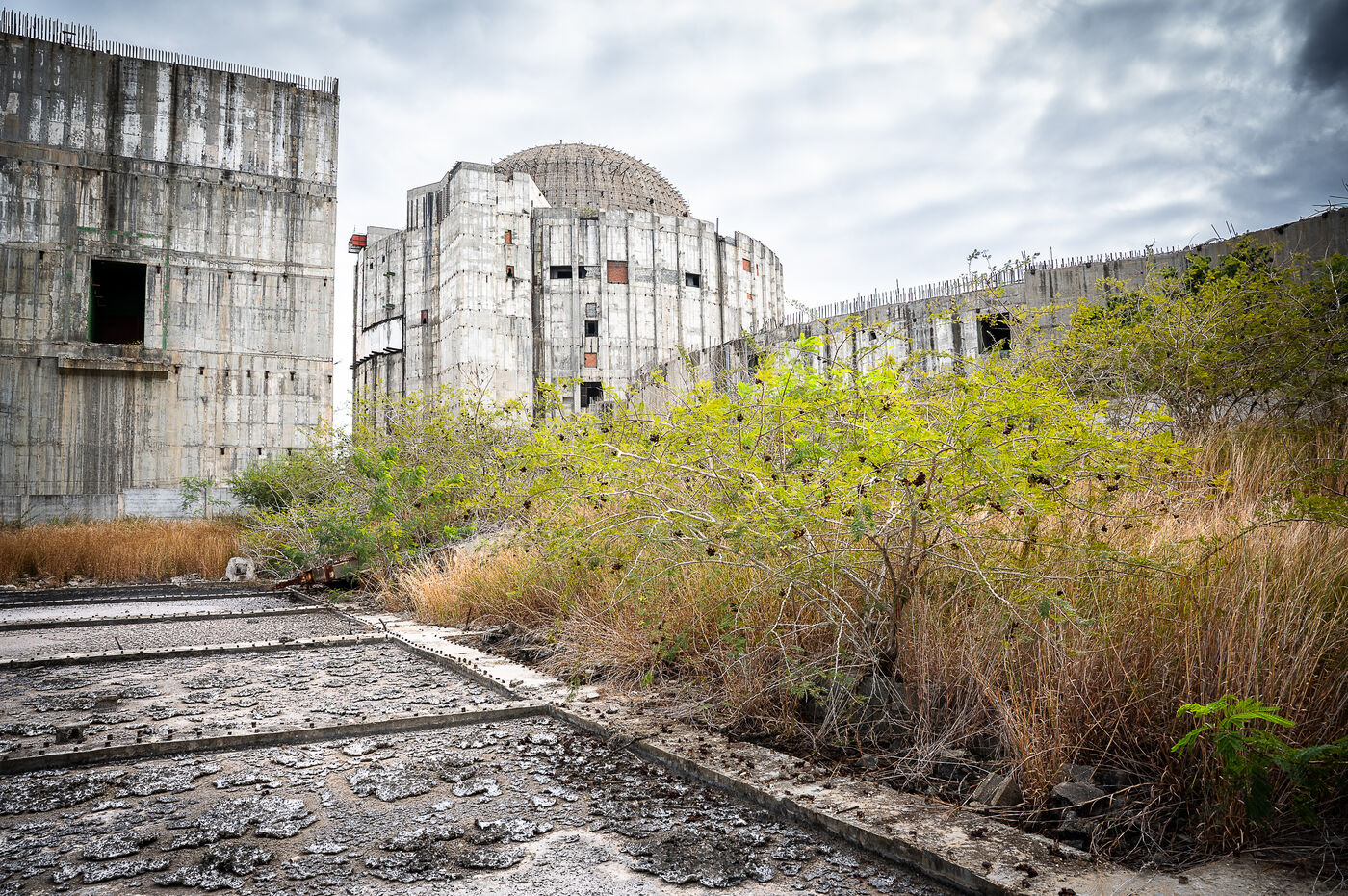
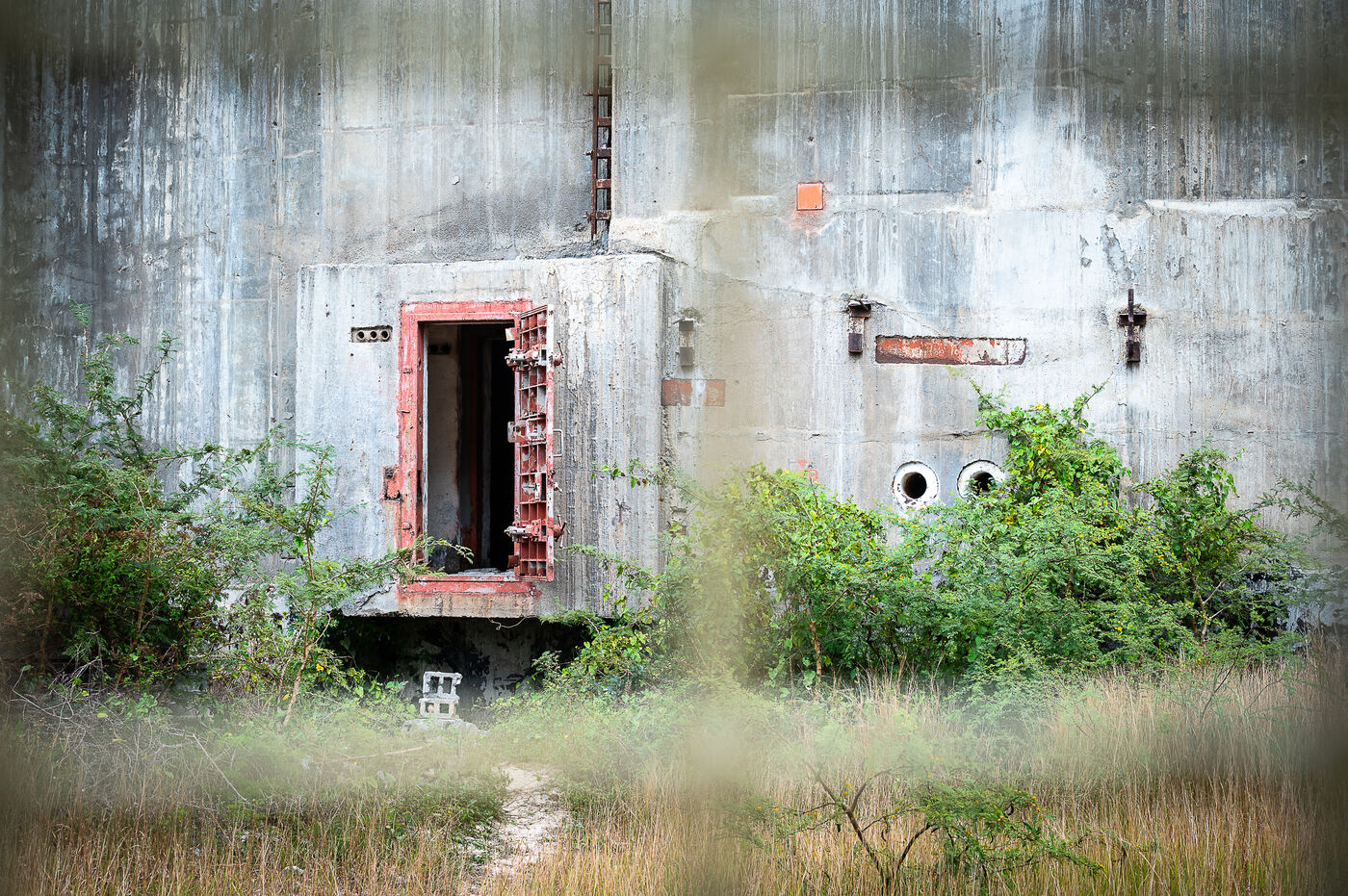
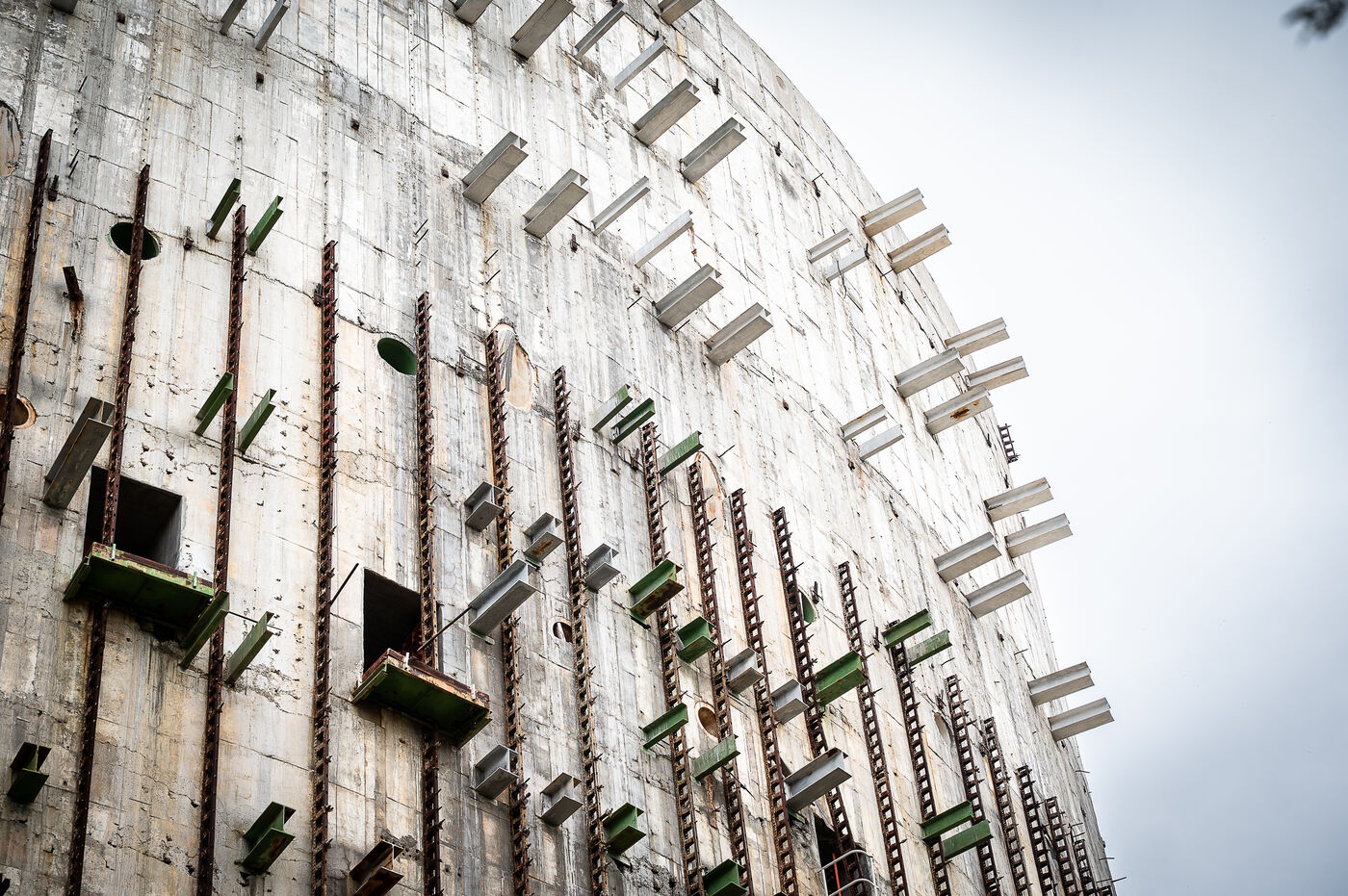
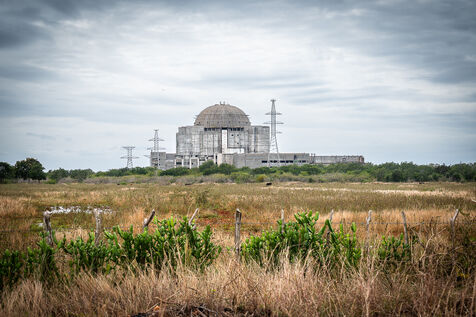
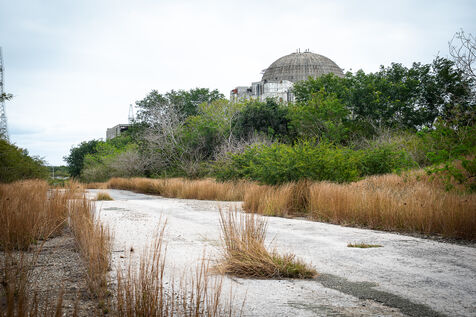
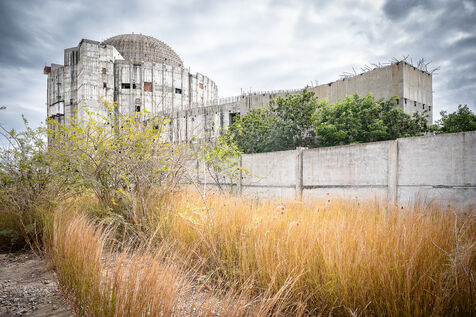
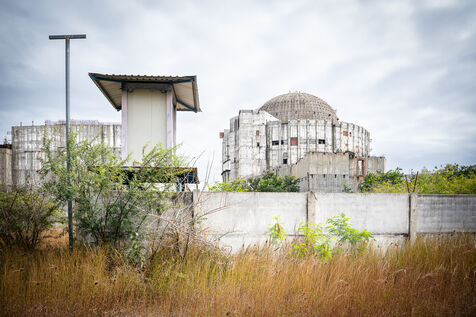
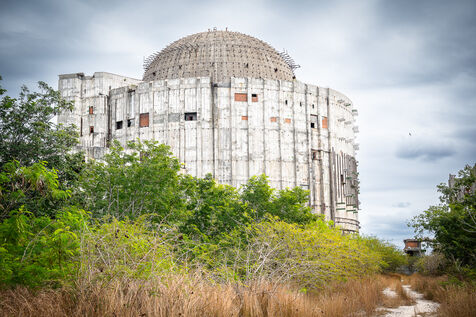
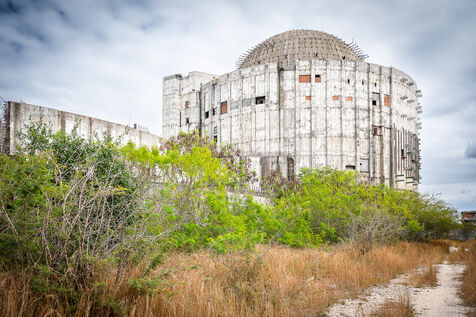
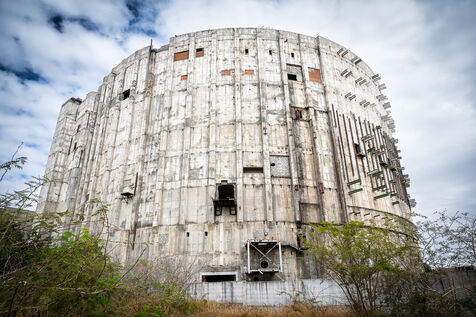
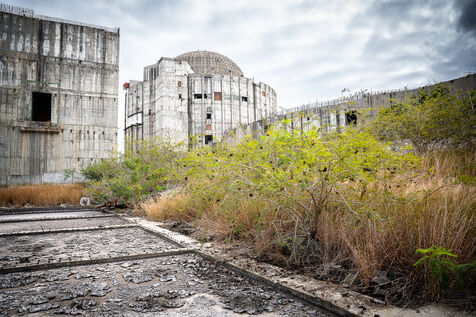
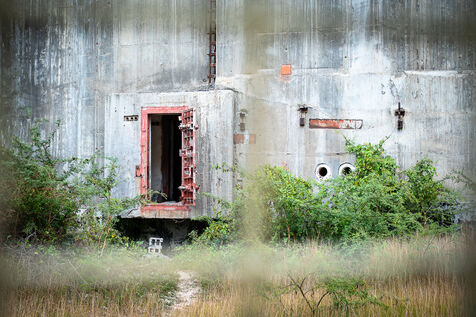
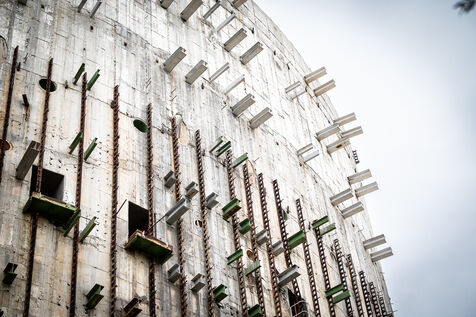
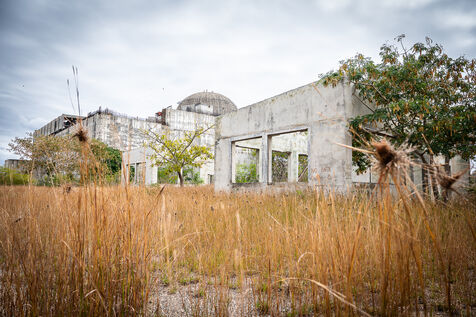
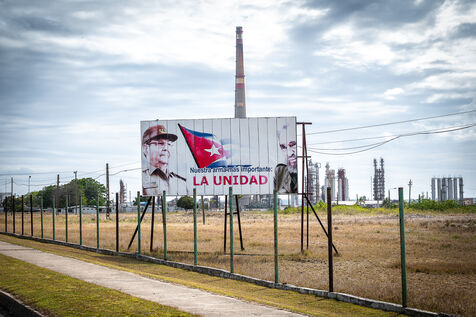
Cuba voulait faire l acquisition de quatre reacteurs VVER sovietique, pour une puissance installee totale de plus de 1 600 MW, dont on estimait qu ils representeraient 20 % du potentiel electricite totale installee a Cuba et economiserait 2,4 millions de tonnes de petrole par an. En 1976, un accord est signe avec l URSS pour l acquisition de deux reacteurs. En 1983, le premier reacteur a commence a etre construit, et le second en 1985. Fidel Castro confie la construction de la centrale a son fils Fidel Castro Diaz-Balart. Celui-ci a suivi des etudes a l université d'Etat de Moscou et a l institut d’energie atomique Kourtchatov. De retour a Cuba, il est responsable de cette operation a Cienfuegos, c est un echec. Au debut des annees 1990, quelques mois apres la dislocation de l Empire sovietique, la construction de la centrale est officiellement interrompue. En 1992, son pere le demet de ses fonctions.
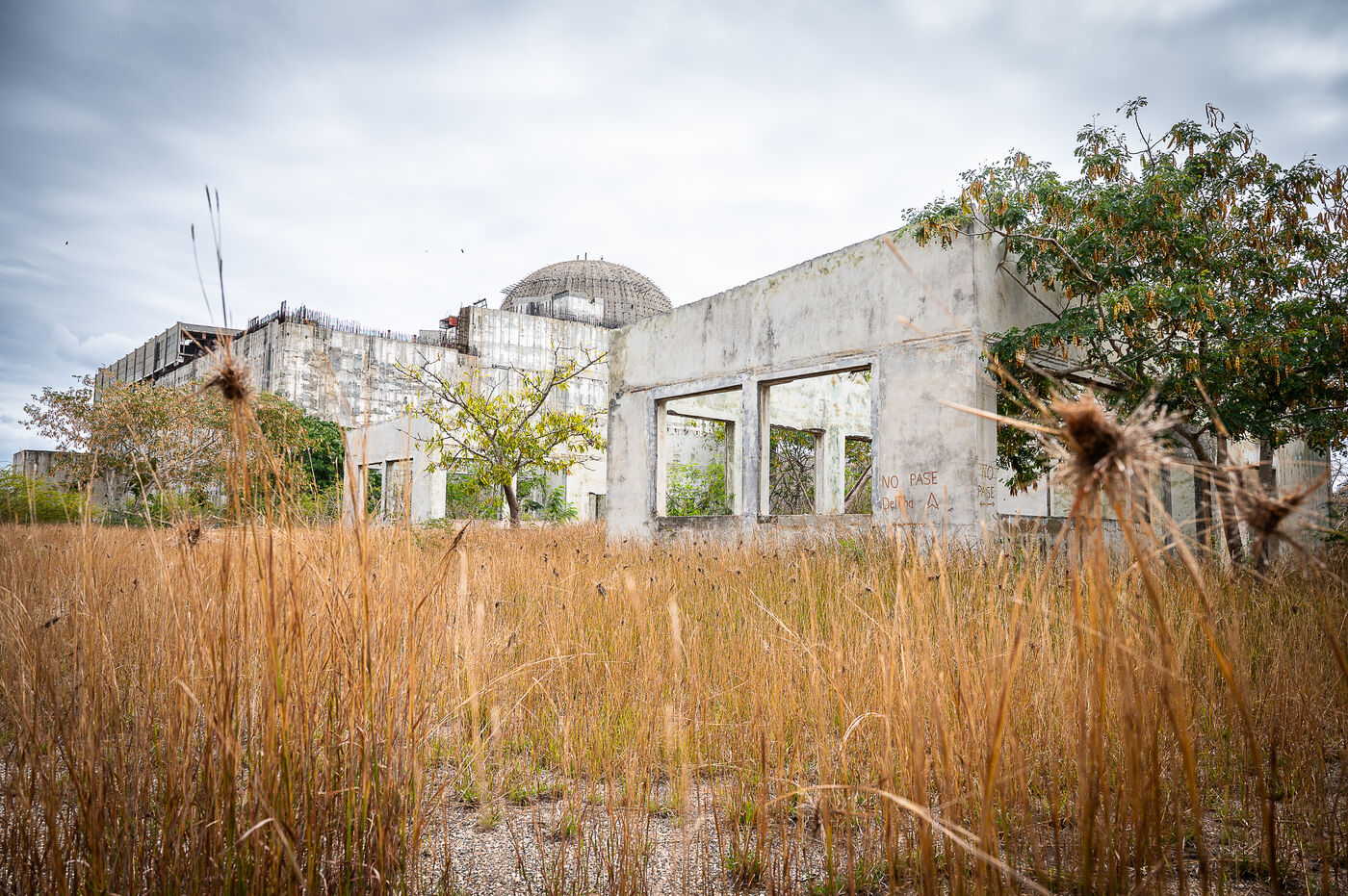
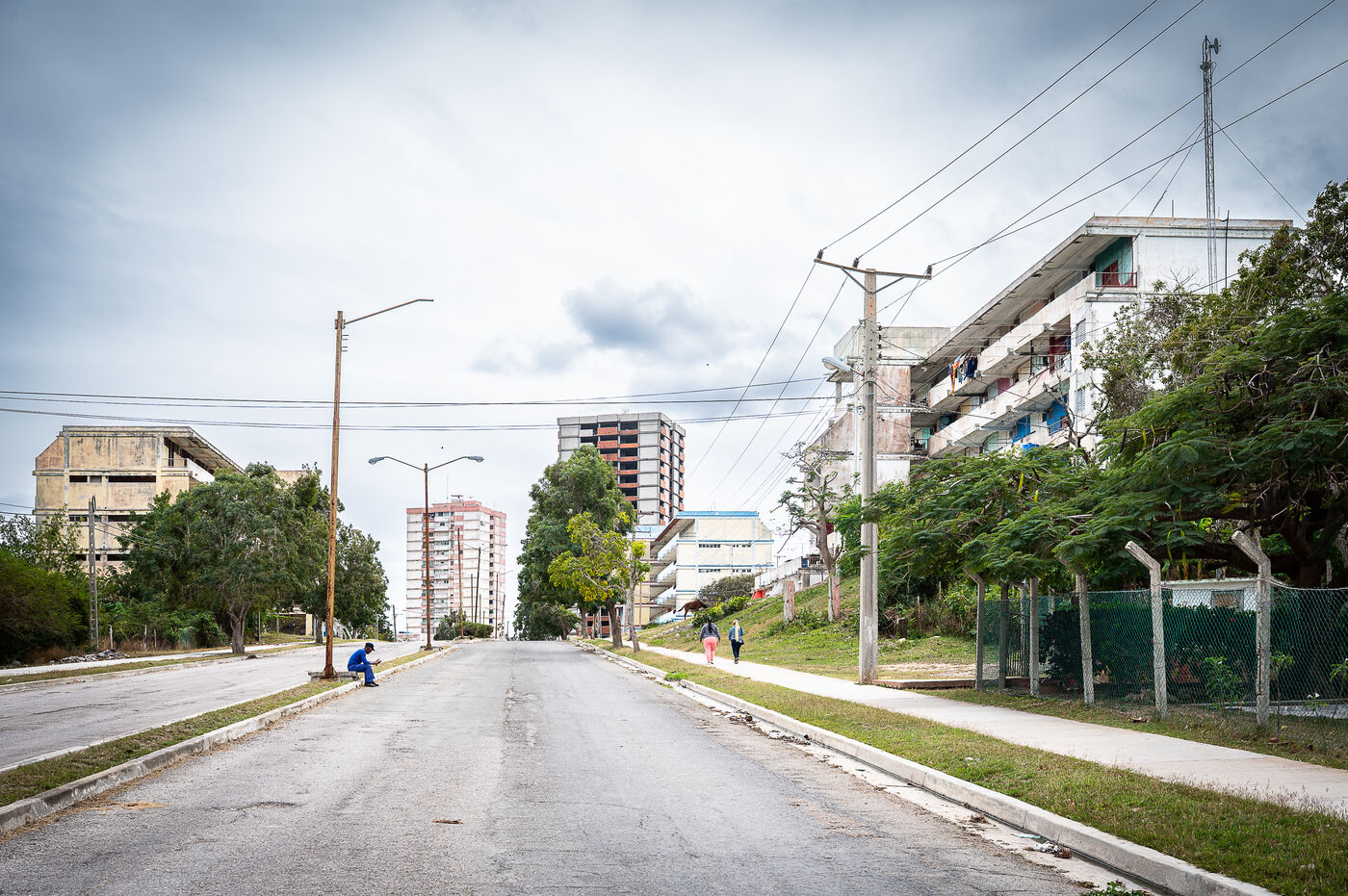
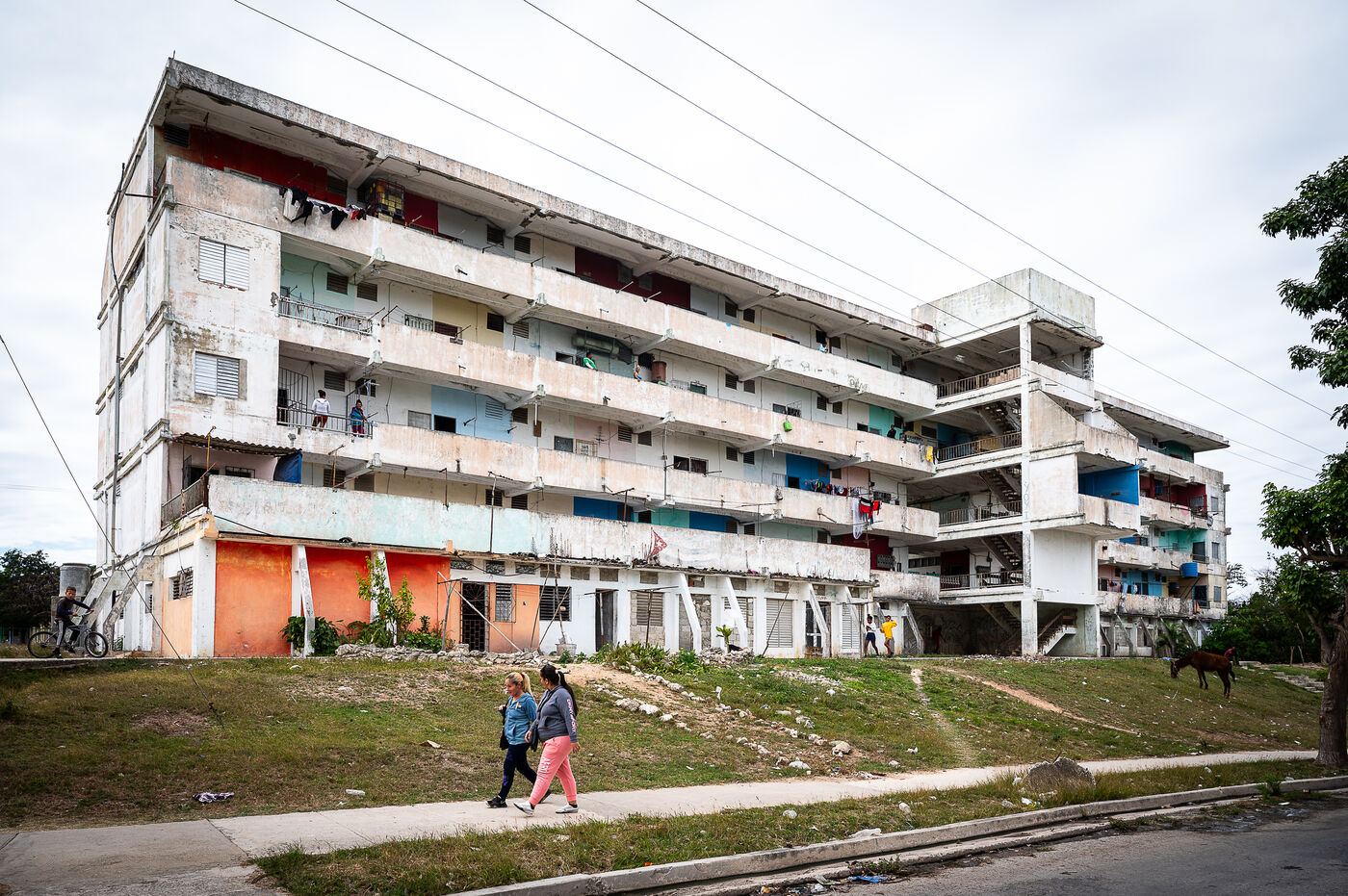
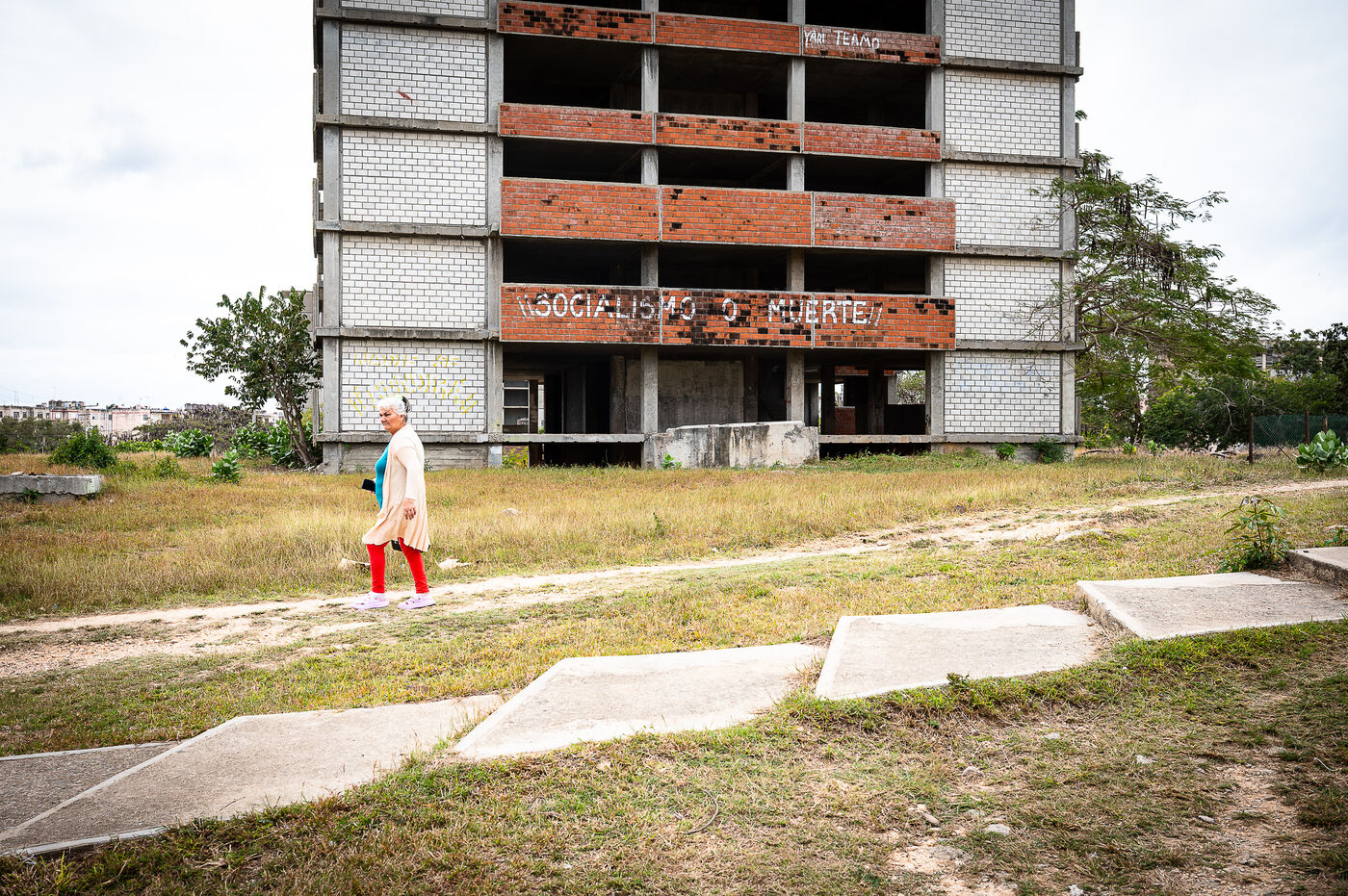
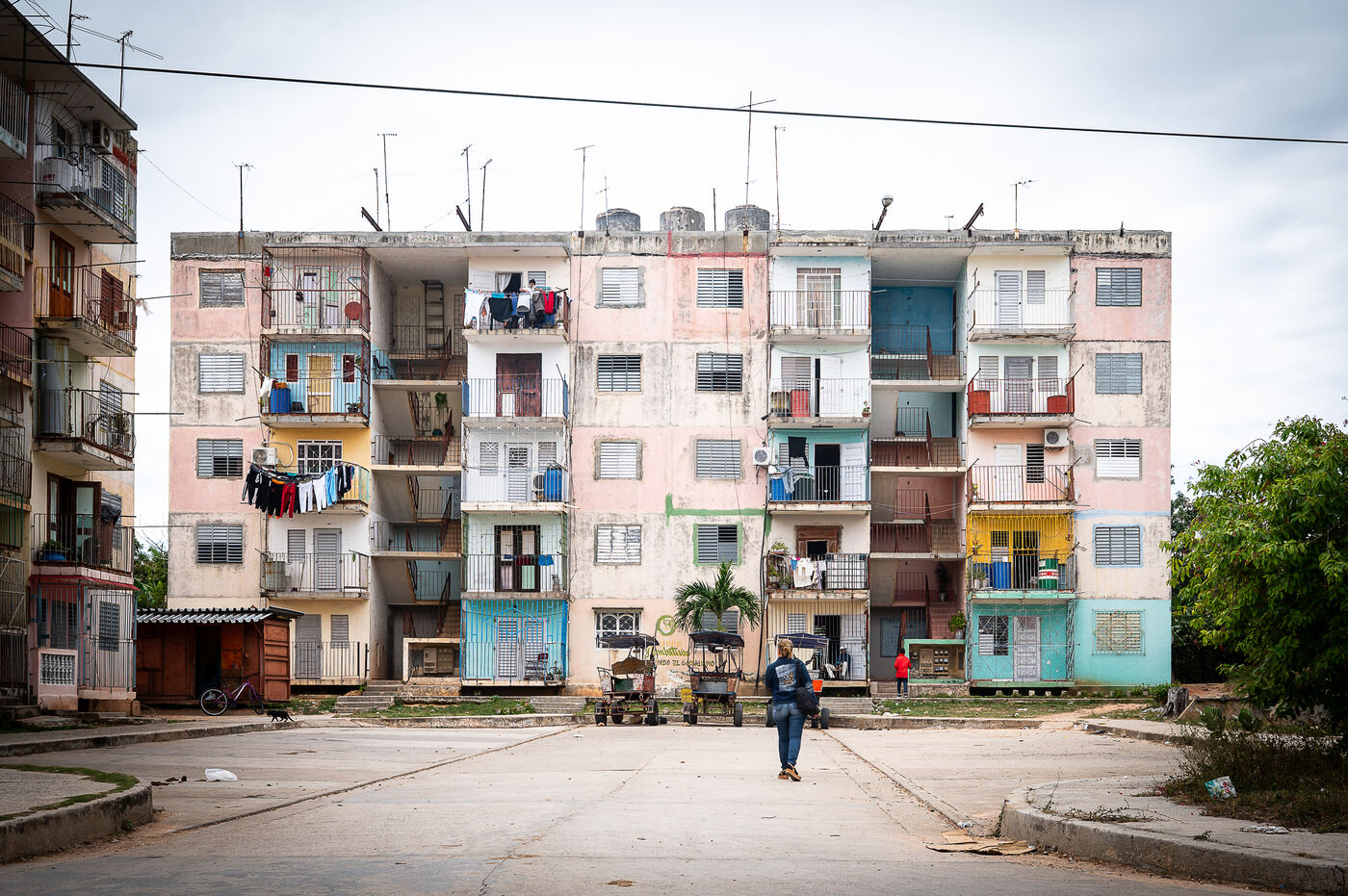
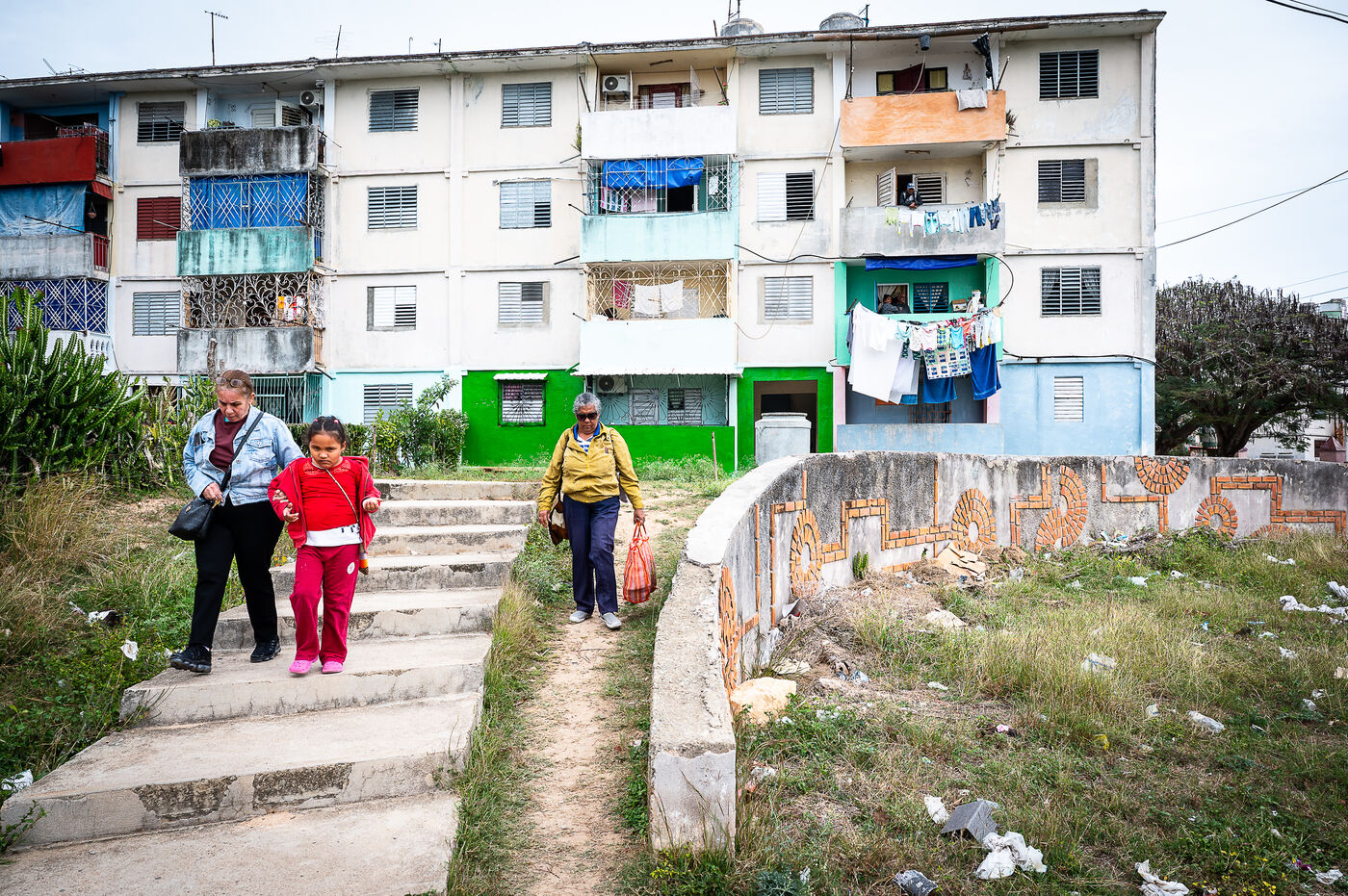
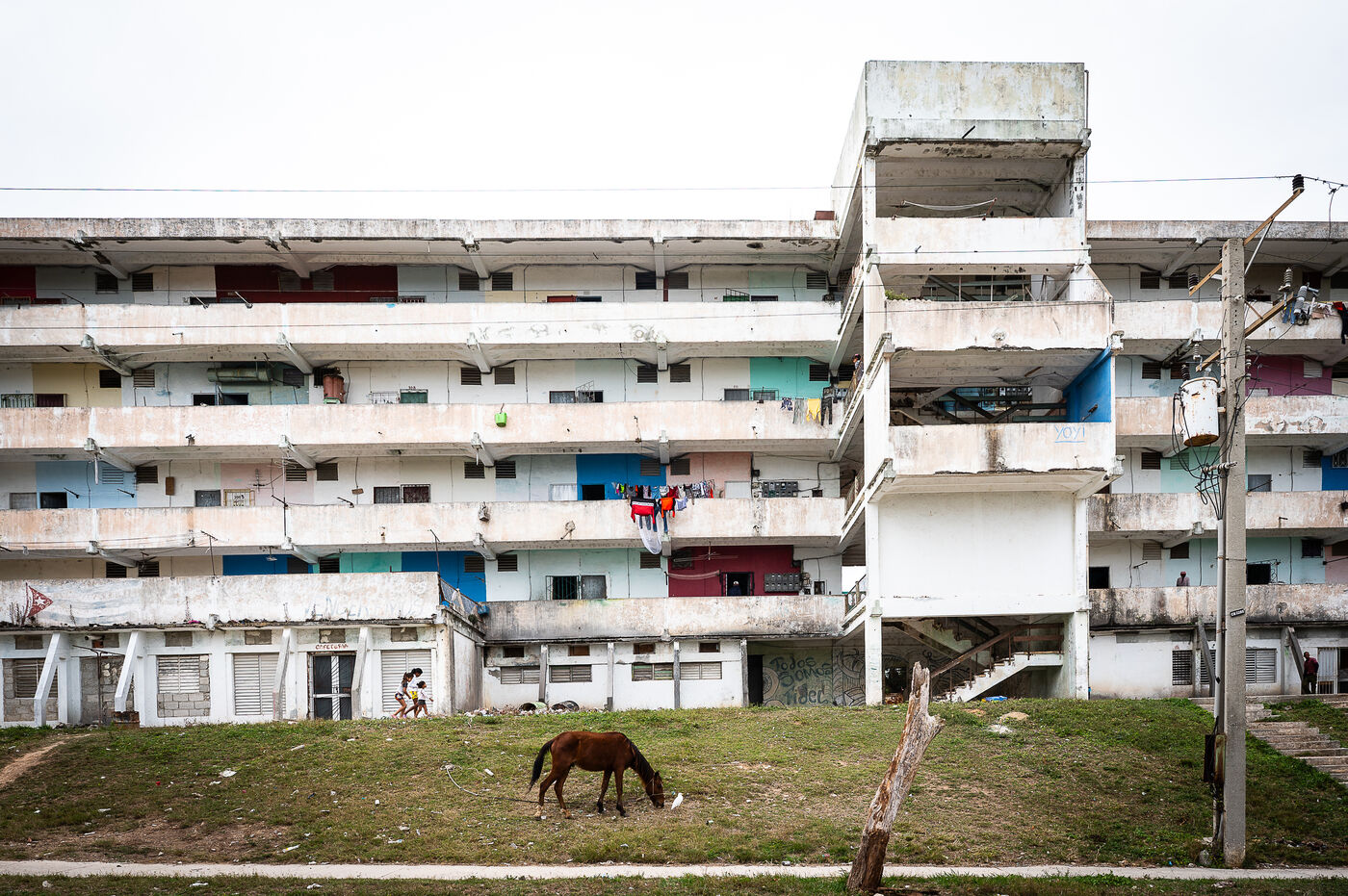
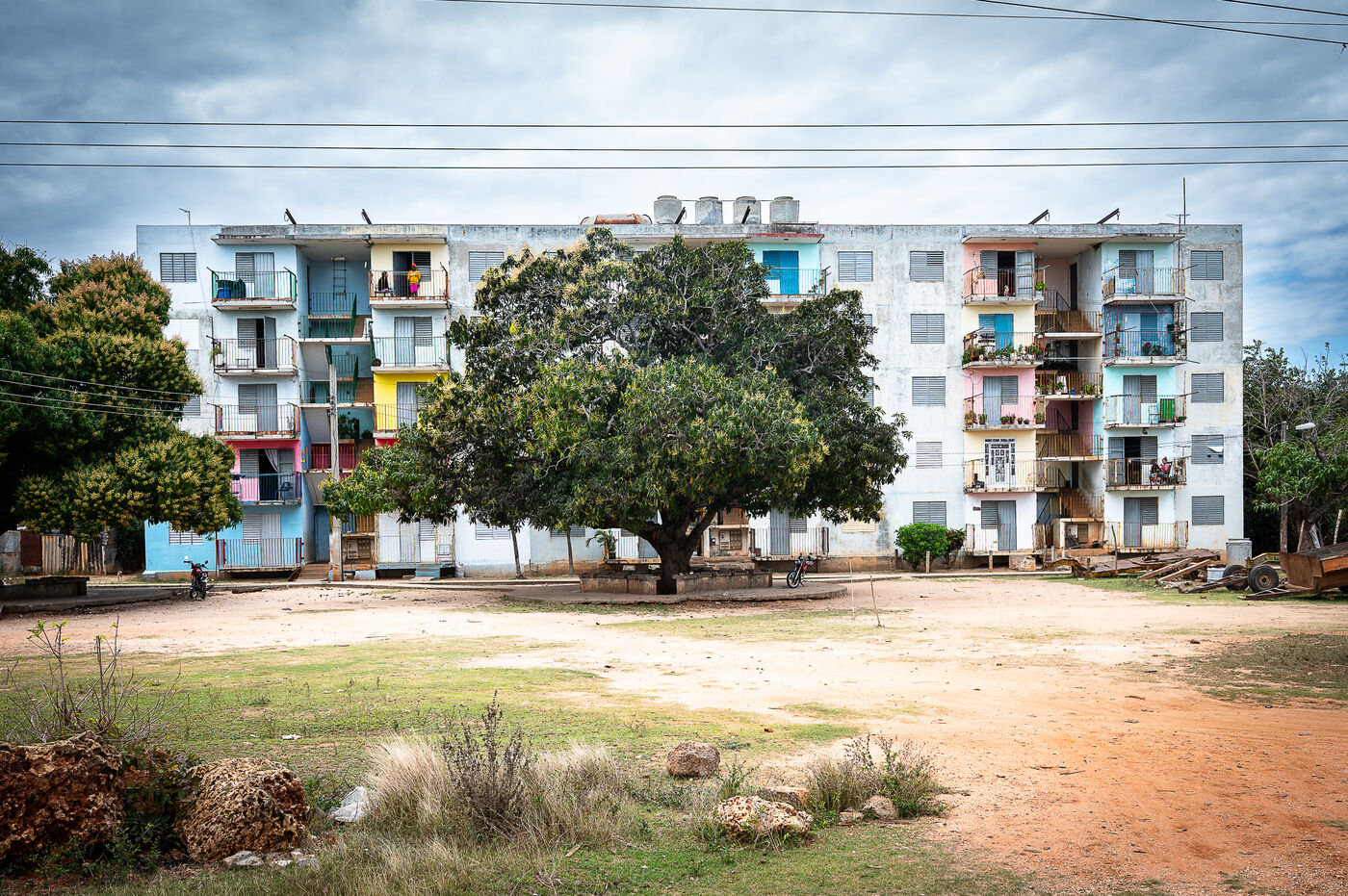
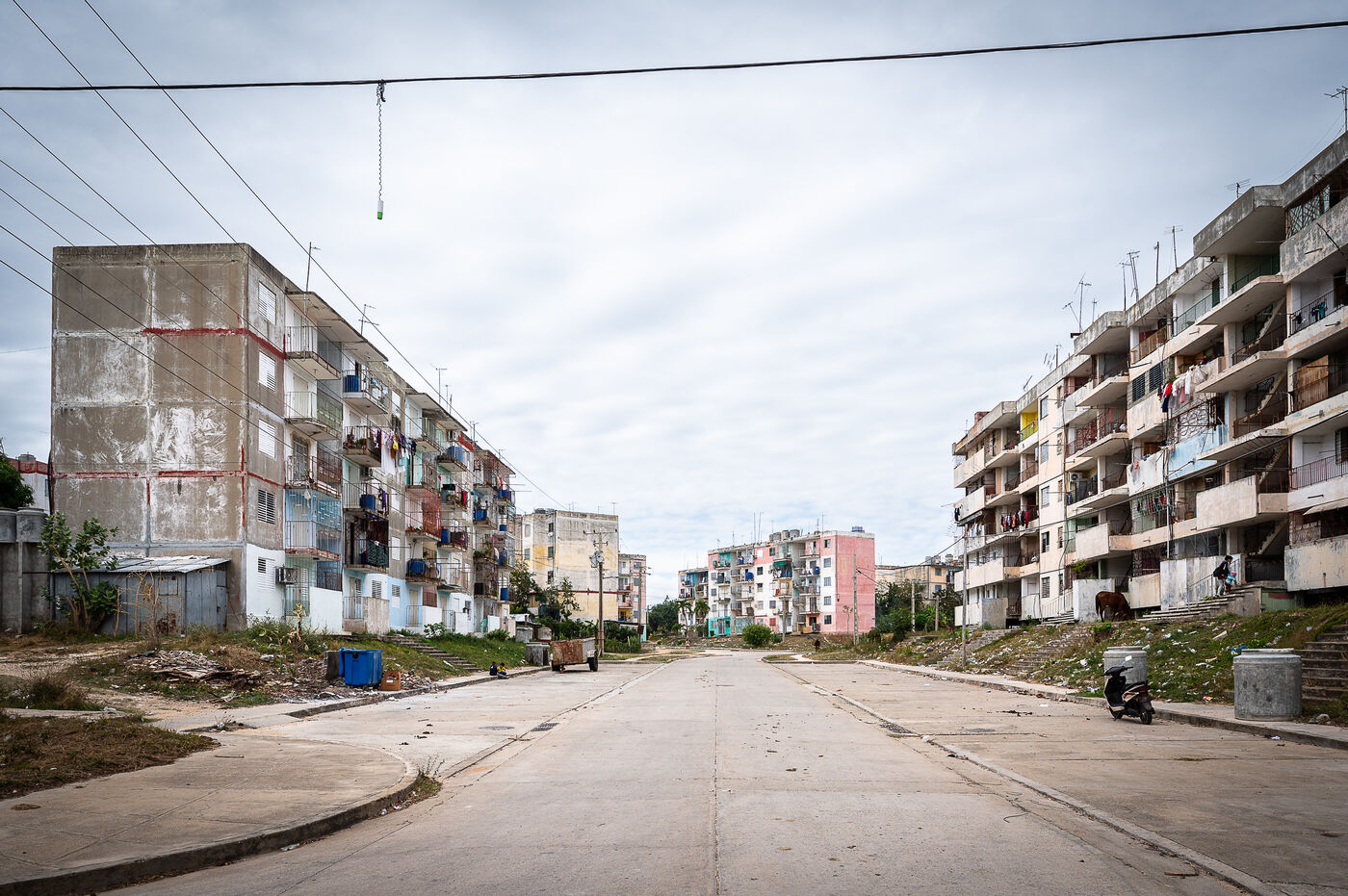
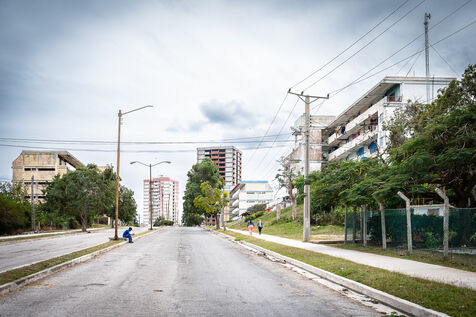
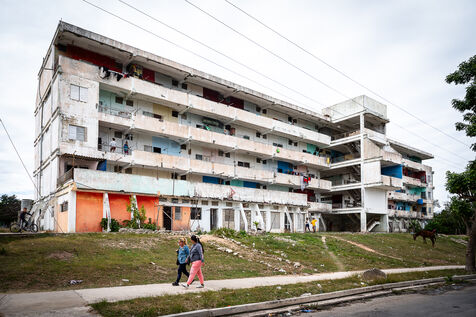
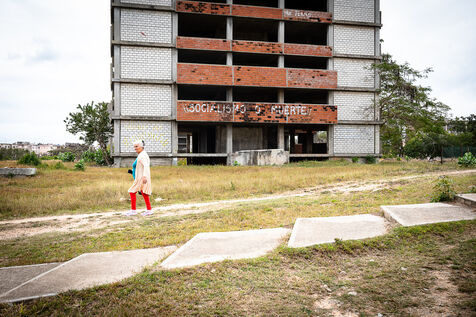
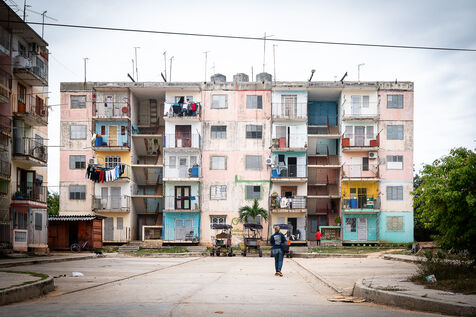
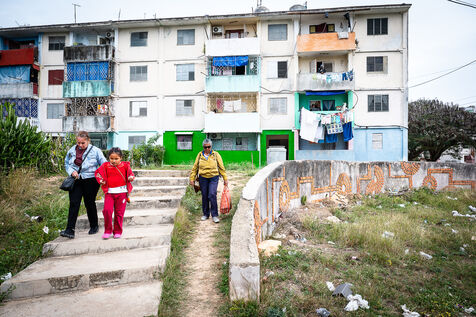
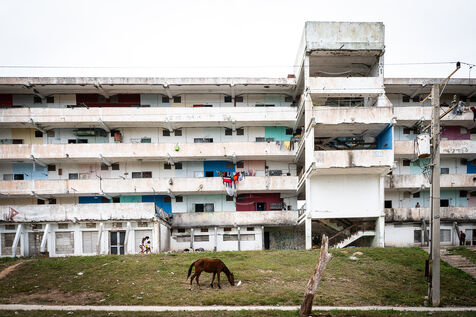
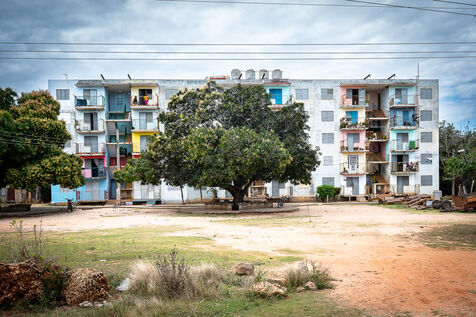
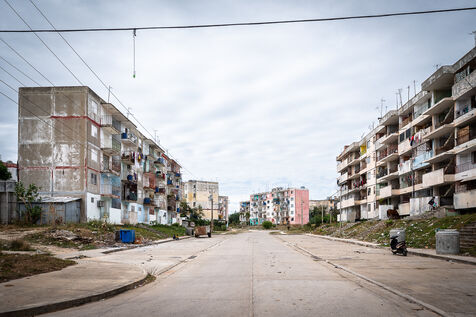
La Ciudad Nuclear, egalement construite en 1982, est conçue pour abriter des milliers d’employes, dont certains ont sejourne en Union sovietique pour etudier la physique nucleaire et apprendre le russe.Les 30 000 personnes qui y posent leurs valises esperent faire partie de ce qui est alors qualifie par les deux gouvernements de « projet du siecle ». Eliecer Machin, un physicien forme en URSS, se souvient du "coup dur" qu a represente l abandon du projet. A 60 ans, il vit toujours dans la "cite nucleaire" construite pour accueillir le personnel de la centrale atomique, mais survit en elevant des cochons. Depuis, la population de Ciudad Nuclear est tombee a 7 000 habitants, et la ville, abandonnee ou presque, semble suspendue dans le temps, caracterisee par ses batiments sovietiques alignes le long de la cote cubaine.
Cuba ciudad nuclear
Cuba wanted to acquire four Soviet VVER reactors with a total installed capacity of more than 1,600 MW. They were expected to account for 20% of Cuba’s total installed electricity-generating capacity and save 2.4 million tons of oil per year. In 1976 an agreement was signed with the USSR to acquire two reactors. Construction of the first reactor began in 1983 followed by the second in 1985. Fidel Castro entrusted the construction of the nuclear power plant to his son Fidel Castro Díaz-Balart. He had studied at Moscow State University and at the Kurchatov Institute of Atomic Energy. After returning to Cuba he was put in charge of the project in Cienfuegos. However the project was ultimately a failure. In the early 1990s a few months after the collapse of the Soviet Union construction of the power plant was officially halted. In 1992 his father removed him from his position. Ciudad Nuclear which was also built in 1982 was designed to accommodate thousands of employees some of whom had spent time in the Soviet Union studying nuclear physics and learning Russian. The 30,000 people who settled there hoped to become part of what was then described by both governments as the “project of the century.” Eliecer Machin a physicist trained in the Soviet Union remembers the “hard blow” caused by the abandonment of the project. At the age of 60 he still lives in the “nuclear city” which was built to accommodate the staff of the nuclear power plant but now survives by raising pigs. Since then the population of Ciudad Nuclear has fallen to 7,000 inhabitants. The city now almost completely abandoned seems frozen in time with its Soviet-style buildings lined up along the Cuban coast.